Symptoms
Fever, headache, muscle pain, vomiting: they usually appear 7 to 14 days after the infective bite.
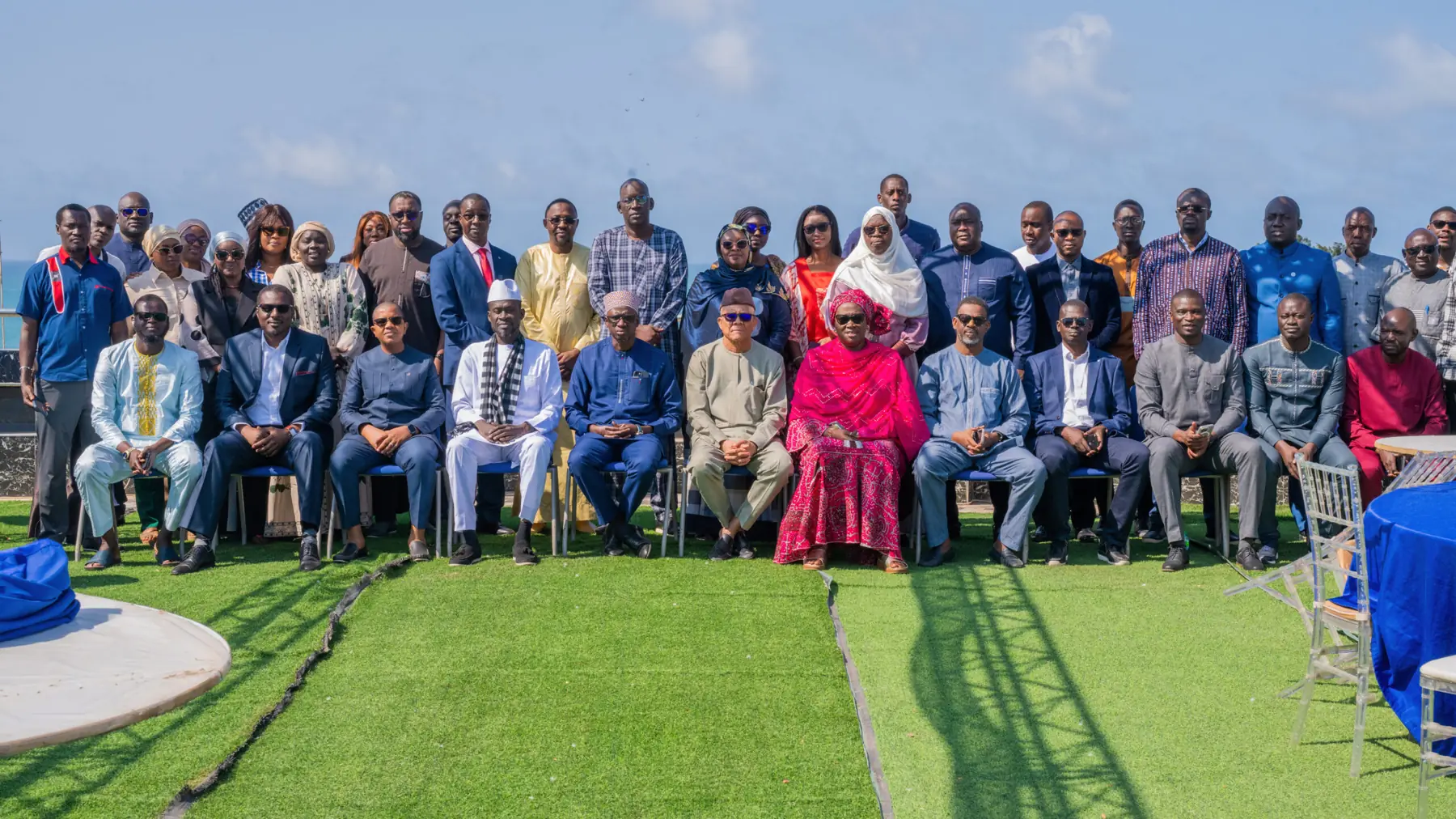
Within the Ministry of Health and Public Hygiene, the National Malaria Control Programme coordinates all malaria prevention, treatment and elimination efforts in the country.
“A malaria-free Senegal, sovereign and fair, with a resilient and innovative health system serving sustainable development.”
Fever, headache, muscle pain, vomiting: they usually appear 7 to 14 days after the infective bite.
Malaria is transmitted by the bites of infected female mosquitoes of the genus Anopheles.
Vector control — insecticide-treated nets, spraying, removing breeding sites — is the main means of protection.
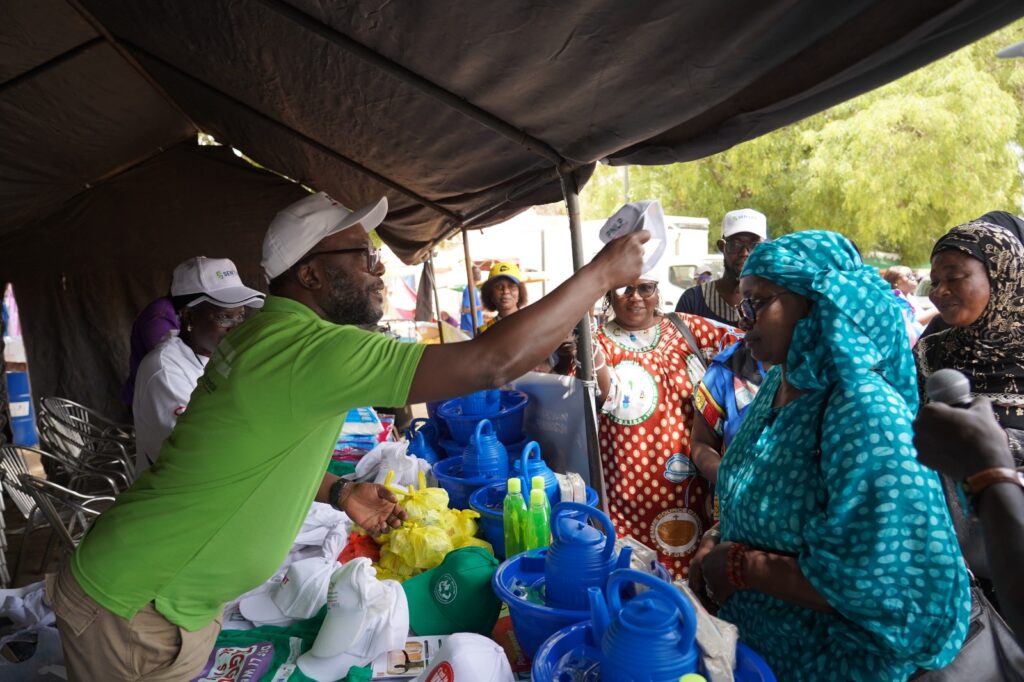 MILDA
Long-lasting insecticidal nets handed out to households, both in mass campaigns and through routine distribution.
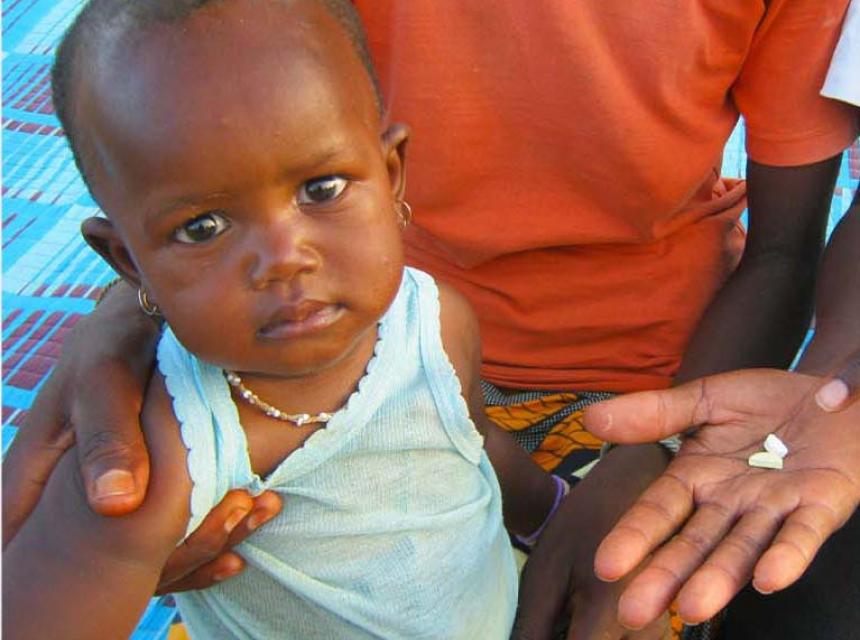 CPS
A free preventive treatment, given door to door, to protect children aged 3 to 120 months during the high-transmission season.
2025 results. Source: PNLP Annual Epidemiological Bulletin 2025.
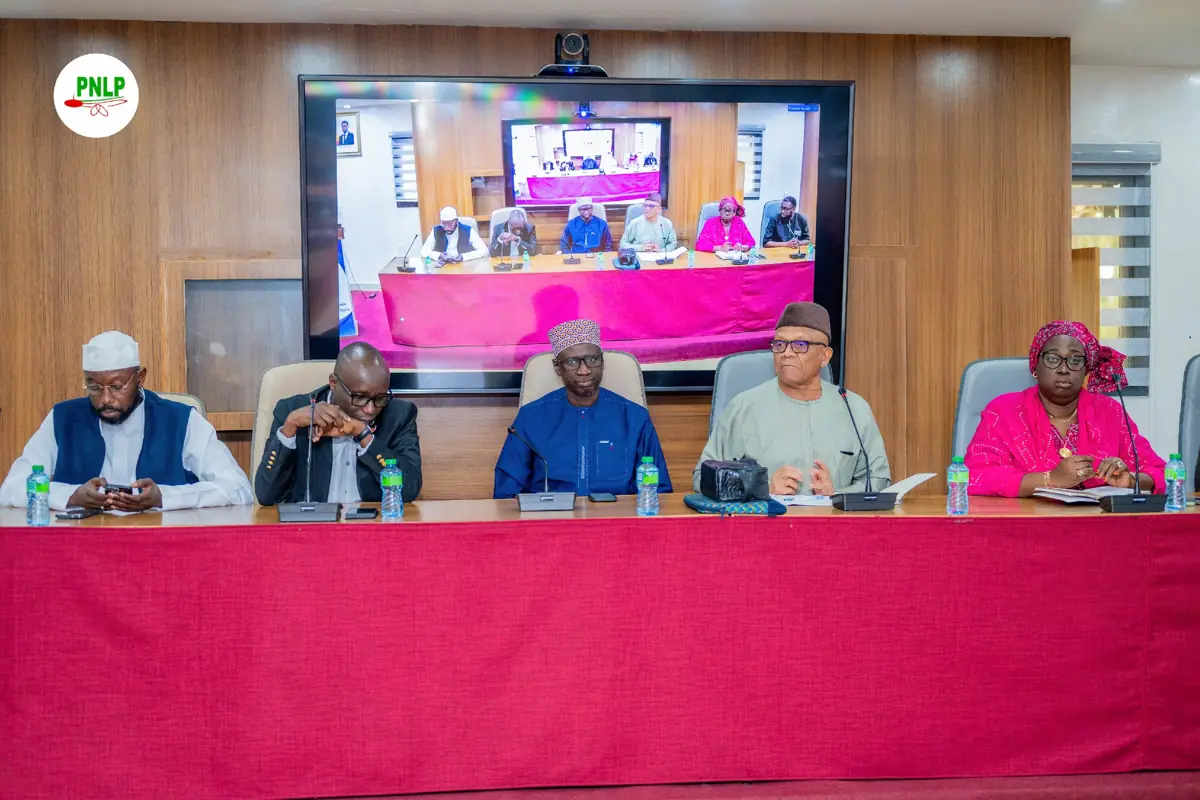
The PNLP is the custodian of national malaria control policy. It sets the strategic direction, coordinates prevention and case management, and ensures they are implemented at every level of the health system.
2024 / 2025 comparison of the main malaria indicators.
Source: DHIS2 — PNLP Senegal. Together towards the elimination of malaria.

“Malaria remains a major public health challenge in Senegal, and our determination to fight it has never been stronger.”
Through our programme, we are committed to eliminating malaria in Senegal by 2030, with a focus on prevention, early detection and effective treatment. We work closely with local communities, health professionals and our partners: this synergy is the key to turning hope into reality.
I invite you to discover our work and to join us in this vital fight for a healthier future.
 PNLP
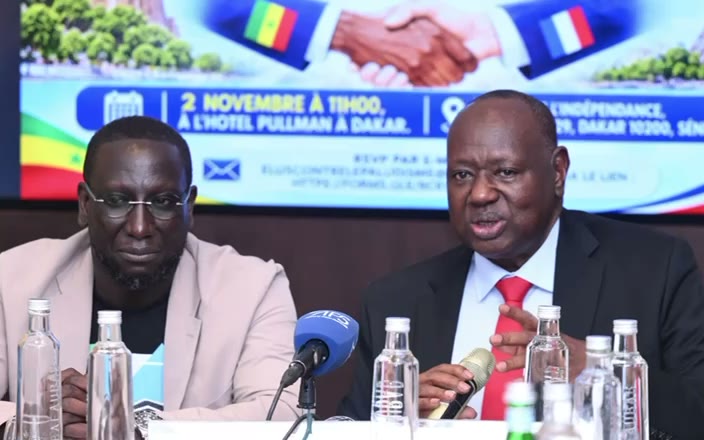
L’Association des maires du Sénégal (AMS) et l’association française des Élus Locaux Contre le Paludisme (ELCP) se sont réunies à Dakar pour renforcer la mobilisation des élus locaux dans la lutte contre le paludisme…
Read the article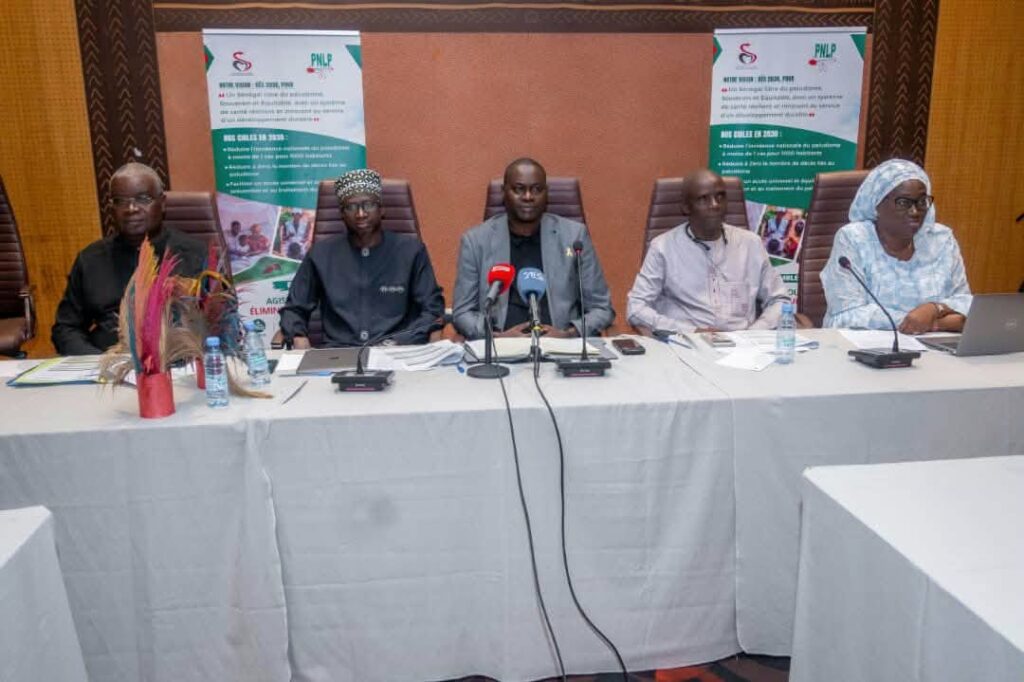 PNLP
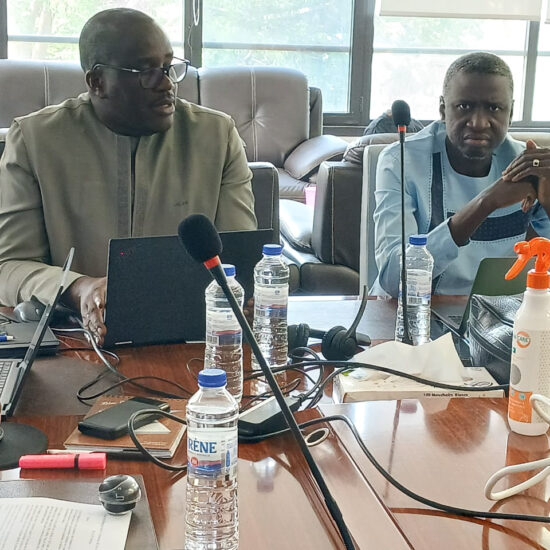
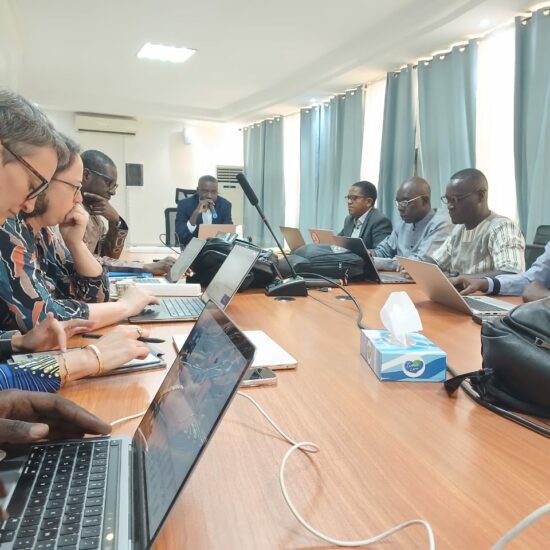
Le Ministère de la Santé et de l’Hygiène publique a organisé un atelier consacré à l’élimination du paludisme au Sénégal, autour des progrès enregistrés, des défis persistants et des perspectives du Plan national…
Read the article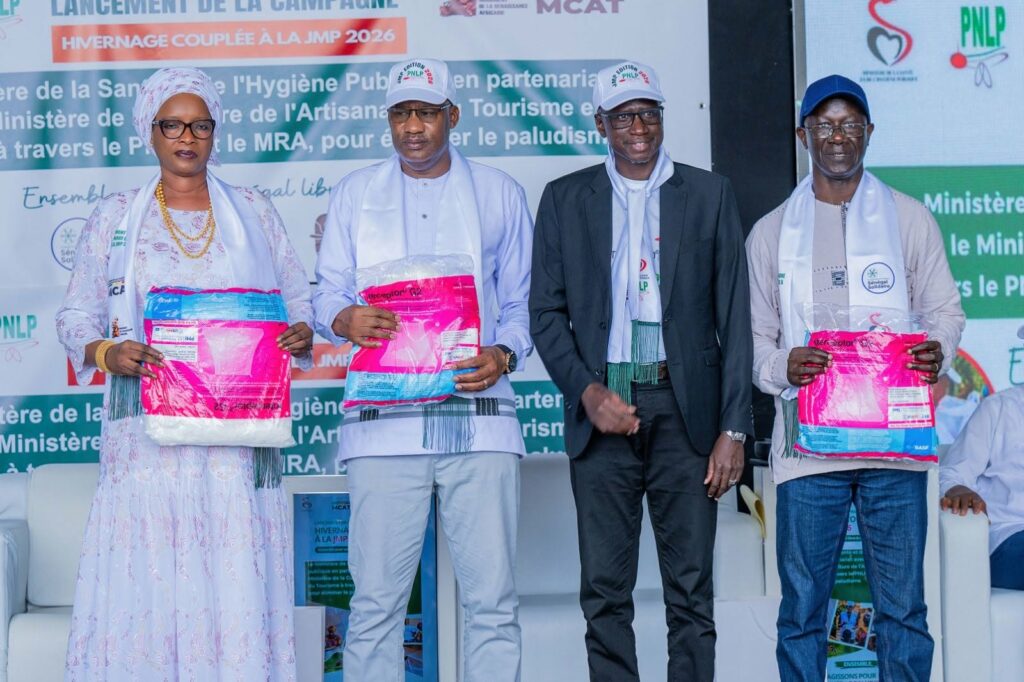 Campaigns
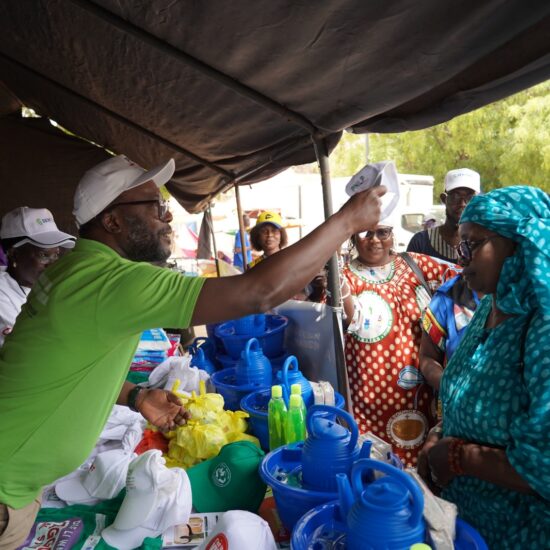
le Programme National de Lutte contre le Paludisme (PNLP) a célébré la journée mondiale de lutte contre le paludisme ce Samedi 12 septembre 2026 au Monument de la Renaissance africaine couplée au lancement de la…
Read the articleMalaria is a vector-borne disease whose spread is strongly influenced by climate and the environment. It is caused by a parasite of the genus Plasmodium, transmitted to humans by the bites of infected female mosquitoes of the genus Anopheles. Plasmodium falciparum is the most dangerous species and the most widespread in Senegal. Children under 5 and pregnant women are the most vulnerable groups.
The illness usually starts 7 to 14 days after an infective bite, with fever, sometimes accompanied by headache, muscle pain, extreme tiredness, vomiting or diarrhoea. Cycles of fever, chills and sweating (a malaria “attack”) may follow. The destruction of red blood cells by the parasite can lead to anaemia or jaundice.
Left untreated, P. falciparum malaria can progress to severe forms — severe anaemia, respiratory distress, cerebral malaria and more — which can be fatal.









Answers using the information on this site