“A malaria-free Senegal, sovereign and fair, with a resilient and innovative health system serving sustainable development.”
About the Programme
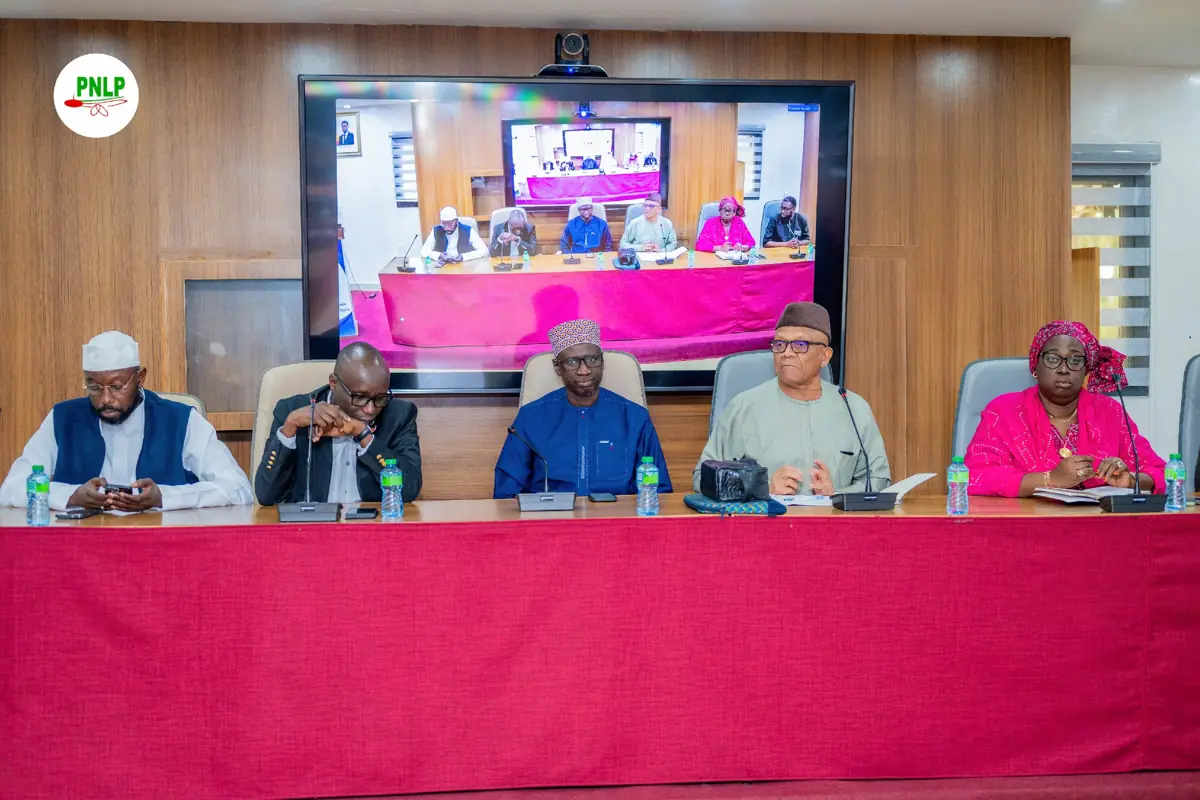
Custodian of national malaria control policy since 1995, the PNLP sets the strategic direction and coordinates its implementation across the country.
Who we are
A programme at the heart of the health system
The National Malaria Control Programme is the custodian of malaria control policy in the country. As such, it sets the strategic direction, coordinates prevention and case management, and ensures they are implemented at every level of the health system. It sits within the Directorate of Disease Control of the Directorate General of Public Health.
Since its creation in 1995, the PNLP has grown remarkably, in terms of staff, the financial resources mobilised and increasingly ambitious goals.
The programme takes a multisectoral, community-based approach involving health authorities, local government, international partners and civil society.
Strategic plan 2026 – 2030
Towards a malaria-free Senegal
Ensure universal and fair access to the most effective malaria promotion, prevention and treatment interventions at an affordable cost for the entire population of Senegal.
- < 1 ‰National malaria incidence
- 0Malaria deaths
What guides us
Vision and values
Multisectoral synergy
The PNLP works with every sector to reduce malaria for good and stop it from holding back socio-economic development.
Our values
Teamwork, speed with efficiency, discipline with perseverance, fairness and ethics in everything we do.
Innovation
A culture of innovation and constant adaptation guides every stage of the fight against malaria.
Transparency
A strong commitment to transparency, accountability and community participation, the foundation of trust and sustainability.
Organisation
A coordination unit and six offices
Coordination is led by the Coordinator, assisted by a Deputy, an Internal Auditor and the Secretariat. It plays a central role in strategic planning, resource allocation and programme supervision, and handles communication between the levels of the health system and partners.
Each office has a specific remit, and they work together to cover every aspect of malaria control: planning, implementing and evaluating activities.
CoordinationCoordinator · Deputy · Internal Auditor · Secretariat
- 01Administration and Finance Office
- 02Partnership and Advocacy Office
- 03Vector Control Office
- 04Case Management and Medical Prevention Office
- 05Procurement and Stock Management Office
- 06Monitoring, Evaluation and Epidemiological Surveillance Office
Our mission
Four commitments to eliminate malaria
Ensure fair access for all to rapid diagnosis and effective treatment (ACTs).
Promote prevention, in particular through mass distribution of insecticide-treated nets.
Build the capacity of health workers through training and supervision.
Set up an effective epidemiological surveillance system to anticipate and respond quickly.
3% → 1.2%Parasite prevalence between 2009 and 2015
72 → 33Deaths per 1,000 live births among children under 5
Our results
A clear drop in cases and deaths
Thanks to stronger collective mobilisation, Senegal has recorded a fall in malaria cases in recent years, together with a significant drop in deaths, especially among children under 5.
This progress is the result of stronger strategies such as the distribution of insecticide-treated nets and seasonal chemoprevention campaigns.
How we work
How the PNLP works
Coordination
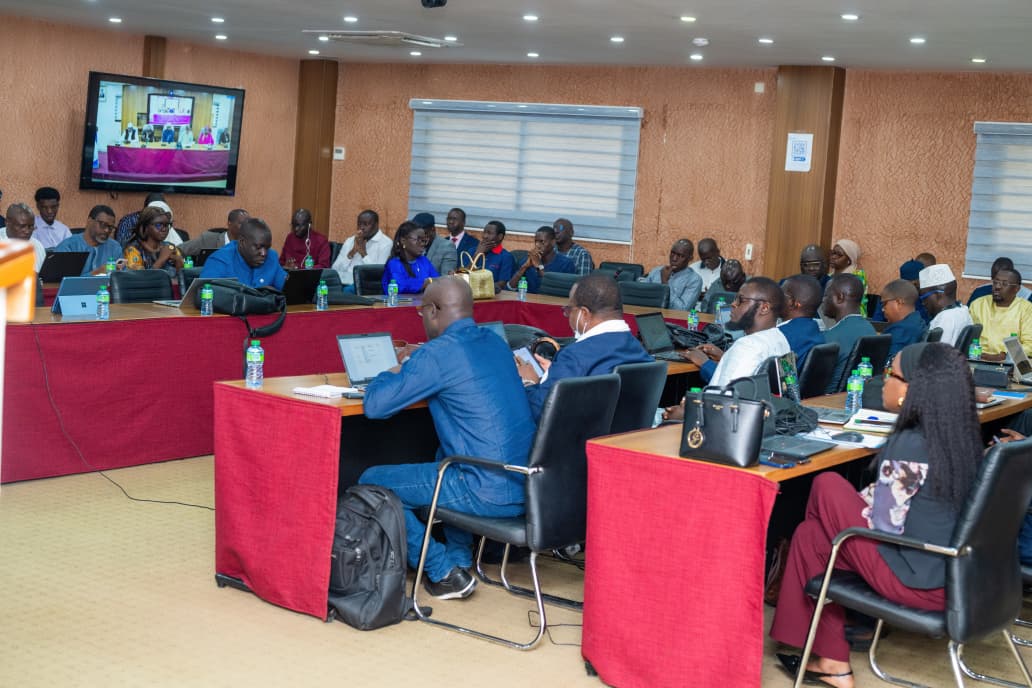
Weekly coordination meeting (Coordinator, deputy, heads of office, internal auditor, assistant). The coordination unit brings all staff together once a month. Every three months, the Coordinator meets the PNLP’s strategic partners.
Focal points
Members of the coordination unit are appointed as focal points, each responsible for several health districts: they monitor activities and help district management teams solve their problems.
Committees
Multidisciplinary, multisectoral technical committees support the implementation of the strategic plan:
TrainingResearchCommunity-based interventionsMonitoring and evaluation